-
×
 Umarex Notos PCP Carbine | 5.5mm (.22)
1 × €340.00
Umarex Notos PCP Carbine | 5.5mm (.22)
1 × €340.00 -
×
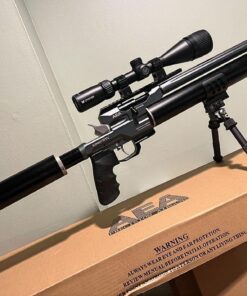 AEA · SF · DMR Bundle
1 × €1,100.00
AEA · SF · DMR Bundle
1 × €1,100.00
Subtotal: €1,440.00
 Umarex Notos PCP Carbine | 5.5mm (.22)
1 × €340.00 AEA · SF · DMR Bundle
1 × €1,100.00
Umarex Notos PCP Carbine | 5.5mm (.22)
1 × €340.00 AEA · SF · DMR Bundle
1 × €1,100.00 Subtotal: €1,440.00

Tax included Shipping calculated at checkout.
This is the Gen 2.0 Wolfiek Light Terminator. Based on the Terminator, the ubiquitous high powered semiauto by AEA, it takes advantage of its dual tank feature to provide it with massive autonomy while at the same time reducing its weight! Shoulder it from the 350CC bottle, and hold it from the 740CC bottle, just to remind you of the impressive 1090CC total air volume available for you. Ideal for long stays in the field where you can’t bring the filling gear, both carbon fiber bottles not only give you that extra fuel, but also make it MUCH lighter than the original configuration.
Available for both calibers!
NOTE: as with other AEA semi auto airguns, the Terminator and its variants require full power to be used in semi auto.
| Action | Semi-Auto |
| Velocity (81 gr) | 900 fps // 274 m/s |
| Magazine | 10 shots |
| Energy | Min 12 FPE / 16J || Max 150 FPE / 200J |
| Barrel Length | 510mm (20″) |
| Air Bottle Capacity | 1090CC |
| Fill Pressure | 3600PSI/250BAR |
| Weight | 8.33lbs (3.78kg) |
Note: Magazines have a limited life based on their use, and for that reason, they are not covered under warranty. It’s good to know that magazines are relatively inexpensive.
AEA · Terminator · Wolfiek Light Gen 2.0 · Semi-auto
Power, endurance, and reduced weight are delivered together in the AEA · Terminator · Wolfiek Light Gen 2.0 · Semi-auto. This latest-generation pre-charged pneumatic platform is engineered for shooters who need high-output performance without the bulk of earlier configurations. Dual carbon-fiber air bottles are combined with a proven semi-automatic action so that extended field sessions become practical and enjoyable.
The original Terminator established a reputation for serious energy and reliable cycling. That foundation is refined in the Wolfiek Light Gen 2.0 version. Consequently, total air capacity reaches an impressive 1090 cc while overall mass is kept to just 8.33 lbs (3.78 kg). Moreover, the dual-bottle layout typically a 350 cc shoulder bottle paired with a larger 740 cc hold bottle supplies substantial shot count between fills. Therefore, long days afield can be completed without constant access to a compressor or hand pump.
In addition, the carbon-fiber construction of both bottles contributes directly to the weight savings. As a result, the rifle can be carried comfortably over distance and still shouldered steadily for precise shots. Furthermore, the 20-inch (510 mm) barrel is shrouded to help manage report, making the platform more usable in varied environments.
Semi-automatic operation is provided once the system is set to full power. Rapid follow-up shots are therefore available when the situation demands them. Velocity with an 81-grain projectile is rated at 900 fps (274 m/s). Energy output spans a practical range from a regulated low of approximately 12 FPE (16 J) up to a maximum of 150 FPE (200 J), depending on caliber, projectile, and tuning. Magazine capacity is listed at 10 rounds, allowing efficient engagement sequences.
Fill pressure is specified at 3600 PSI / 250 BAR. Consequently, the large total air volume translates into meaningful autonomy. Additionally, the removable rear bottle design permits spare cylinders to be carried and swapped when required, further extending time away from a filling station.
These figures are achieved through careful integration of the dual-tank architecture and the refined Gen 2.0 platform. In practice, the combination of high capacity and lower mass is noticed immediately when the rifle is carried or held on target.
Shouldering is performed from the smaller bottle while the larger bottle is gripped for support, reminding the user of the substantial air reserve that remains available. Ideal conditions for this arrangement include multi-hour stalks, pest-control sessions, or hunting trips where filling equipment cannot easily be transported. Moreover, the overall balance is improved relative to heavier dual-tank predecessors, so fatigue is reduced across a full day of activity.
An integral shroud helps moderate muzzle report. Consequently, the substantial power of the platform feels more controlled than the energy numbers alone might suggest. In addition, a Picatinny-style rail is provided for optics, enabling each shooter to fit the sighting system that best matches their needs and preferred engagement distances.
It should be noted that, as with other AEA semi-automatic airguns, full-power configuration is required for reliable semi-auto cycling. When power is reduced below the necessary threshold, the action reverts to requiring manual bolt operation after each shot. Therefore, users who prioritize the semi-automatic function keep the system at the appropriate output level.
Everything needed to begin using the rifle is included:
Magazines are consumable items whose service life depends on usage intensity; they are not covered under warranty for this reason. Replacement magazines, however, remain relatively inexpensive and readily available, so spare capacity can be maintained without difficulty.
Portability is enhanced by the carbon-fiber bottles and overall weight reduction. Consequently, the rifle can be transported more easily into remote areas or carried for longer periods. Furthermore, the dual-tank system delivers genuine independence from frequent refills, which is particularly valuable when filling stations are distant or when multiple shooters share limited air resources.
Accuracy potential is supported by the 20-inch barrel and consistent power delivery. In addition, the semi-automatic action allows follow-up shots to be taken quickly when a second opportunity appears. Together these traits make the platform suitable for a range of big-bore applications, from hunting appropriate game to dedicated range practice and pest management.
Inclusive design considerations are reflected in the ambidextrous-friendly controls and adjustable ergonomics common to the platform family. Shooters of varying physical builds and experience levels can therefore find a workable setup. Moreover, the conversion-focused layout encourages users to select the caliber and optic combination that matches their specific goals rather than forcing a one-size-fits-all solution.
Reliability is a core expectation with the Terminator lineage. Simple, robust mechanical design is retained while the Gen 2.0 Wolfiek Light refinements address the practical desire for lower weight and higher air volume. As a result, owners gain both performance and usability improvements without sacrificing the fundamental strengths of the original platform.
Spare bottles can be kept on hand because the rear cylinder is designed for pressure-retaining removal and reinstallation. Consequently, a second filled bottle can be swapped in the field, restoring full capacity almost immediately. This modularity further multiplies the already substantial autonomy of the 1090 cc total volume.
Transitioning from range sessions to extended outdoor use is straightforward. The same rifle that delivers high energy on the bench remains practical to carry across varied terrain. Therefore, enthusiasts who value both power and mobility find the AEA · Terminator · Wolfiek Light Gen 2.0 · Semi-auto well matched to their requirements.
When high power, semi-automatic capability, generous air capacity, and meaningful weight reduction are all required in one package, the AEA · Terminator · Wolfiek Light Gen 2.0 · Semi-auto provides a compelling answer. Carbon-fiber dual tanks, a 20-inch barrel, 10-shot magazines, and energy potential reaching 150 FPE combine to create a versatile big-bore tool. Moreover, the careful balance of autonomy and reduced mass makes prolonged use more comfortable than earlier configurations allowed.
Whether the priority is ethical hunting of suitable game, effective pest control, or simply enjoying powerful, rapid-fire sessions at the range, this platform is engineered to support those activities. In addition, the inclusion of a fill probe and two magazines means the rifle can be put into service promptly after unboxing.
Explore the available caliber options, confirm local regulations regarding power and use, and consider adding spare magazines or a second bottle for maximum flexibility. The AEA · Terminator · Wolfiek Light Gen 2.0 · Semi-auto is prepared to deliver the performance and endurance that serious airgun enthusiasts demand.
Calibres, Power Levels & Accessories for the AEA · Terminator · Wolfiek Light Gen 2.0 · Semi-auto
The AEA · Terminator · Wolfiek Light Gen 2.0 · Semi-auto is offered in two popular big-bore calibres so that shooters can match the rifle to their preferred game, range, and projectile style. Both options retain the same dual carbon-fibre tank layout, 20-inch barrel, and semi-automatic action, while delivering distinct performance profiles.
** .30 (7.62 mm)** This calibre is favoured by many for its balance of velocity, flat trajectory, and solid energy. Typical performance with mid-weight pellets or slugs falls in the region of 1000–1100 fps and approximately 110 FPE, depending on exact projectile and tuning.
Magazine capacity is generally listed at 10 rounds (some configurations reach 11). The .30 offers excellent versatility for medium-sized game and longer-range work while still benefiting from the rifle’s large 1090 cc air supply.
** .35 (9 mm / .357)** The larger bore prioritises raw energy delivery. With heavier projectiles around 81–82 grains, velocities near 900 fps and maximum energies approaching 150 FPE (200 J) are achievable. Magazine capacity is typically 10 rounds.
This calibre is often chosen when maximum terminal performance on larger pests or suitable game is the priority. The official specification sheet for the Wolfiek Light Gen 2.0 lists a representative velocity of 900 fps with an 81-grain projectile and an energy range of 12–150 FPE, aligning closely with .35 performance.
Both calibres share the same lightweight carbon-fibre dual-bottle architecture, so the handling advantages of the Gen 2.0 platform remain consistent regardless of the chambering selected. Shooters are encouraged to choose the calibre that best matches their local quarry, preferred ammunition, and intended engagement distances.
The rifle is designed as a high-power platform. Maximum output reaches 150 FPE (approximately 200 J), placing it firmly in the FAC (Firearm Certificate) category in jurisdictions such as the United Kingdom, where air rifles exceeding 12 ft-lbs require certification. In other regions the same energy levels may fall under different licensing rules; local regulations should always be checked before purchase or use.
Power is adjustable. At full output the semi-automatic action cycles reliably, provided the system is set to at least approximately 30 Joules (about 22 FPE). When power is deliberately reduced below this threshold, the rifle reverts to a manual-bolt repeater. This lower setting can bring the energy under local non-FAC limits in certain countries, making the platform adaptable for different legal environments. The manufacturer notes that carbines are not supplied with an engraved “F” marking.
Because the dual carbon-fibre bottles hold a combined 1090 cc at up to 3600 PSI / 250 BAR, even high-power settings still deliver useful shot counts. The generous air volume is one of the key advantages of the Wolfiek Light Gen 2.0 configuration over earlier dual-tank designs.
The rifle ships ready for use with the essentials:
Additional accessories expand capability and convenience:
Magazines Spare magazines are highly recommended. Capacity is calibre-specific (typically 10 rounds for most configurations). Magazines are considered consumable items; their service life depends on frequency of use and care. Replacement plastic magazines for the Terminator series are readily available and relatively inexpensive, allowing shooters to keep several loaded for rapid changes in the field.
Bottle Plugs and Spare Tanks A dedicated bottle plug for .30 and .35 Terminator models is available. Because the rear cylinder can be removed under pressure, carrying a pre-filled spare bottle becomes practical. Extra carbon-fibre bottles further extend autonomy on multi-day trips.
Silencer / Moderator Adapters DonnyFL-style big-bore adapters (including M18×1 options) allow the addition of a moderator. The integral shroud already moderates report; an external moderator can reduce it further for more discreet field use.
Accessory Rails and Mounting Solutions Picatinny-compatible rails and aftermarket accessory rail kits enable bipods, lights, lasers, or additional optics. Some kits also act as barrel bands for improved rigidity. A Picatinny rail is standard for primary optics mounting.
Hinges and Stock Components Replacement hinges and related hardware for the S45/Terminator family are offered for maintenance or customisation.
Filling Equipment While a fill probe is included, many owners add a dedicated high-pressure compressor, a larger dive tank, or a portable filling station for convenience. Quick-connect fittings compatible with the probe streamline the process.
Optics and Supports Any quality scope or red-dot suited to big-bore airguns can be fitted via the Picatinny rail. Bipods that clamp to the air bottle or attach to accessory rails improve stability for precision work.
Selecting the correct calibre and power setting should be guided by intended use and local law. The .30 offers a versatile middle ground, while the .35 maximises energy. Keeping spare magazines, a second filled bottle, and a suitable moderator adapter transforms the already capable platform into a highly independent field tool. Regular inspection of magazines and O-rings, together with proper lubrication, helps maintain reliable semi-automatic function at full power.
Whether the priority is high-energy hunting, pest control, or extended range sessions, the combination of two calibre choices, adjustable power (including FAC and reduced-power modes), and a broad accessory ecosystem makes the AEA · Terminator · Wolfiek Light Gen 2.0 · Semi-auto a flexible and future-proof choice. Confirm current legal requirements in your area and consider stocking the key accessories that match your shooting style before heading into the field.
What calibres are available for this rifle? The platform is offered in two proven big-bore options: .30 (7.62 mm) and .35 (9 mm). Both share the same dual carbon-fibre bottle layout, 20-inch barrel, and semi-automatic action. The .30 calibre typically delivers higher velocity with mid-weight projectiles and is often chosen for flatter trajectories and versatile hunting or pest-control work. The .35 calibre prioritises maximum energy transfer with heavier projectiles and is preferred when terminal performance on larger targets is the main goal.
Magazine capacity is generally ten rounds in both configurations, though exact count can vary slightly by production batch. Choosing between the two depends on the intended quarry, preferred ammunition, and typical engagement distances. Many shooters keep both options in mind when planning their setup so they can match the rifle precisely to the task at hand.
How much energy and velocity can be expected? Maximum energy reaches approximately 150 foot-pounds (around 200 joules), depending on calibre, projectile weight, and tuning. A representative figure for the larger calibre is 900 feet per second with an 81-grain projectile. The smaller calibre often achieves higher velocities, commonly in the 1000–1100 feet-per-second range with lighter pellets or slugs, while still producing solid energy in the region of 110 foot-pounds. Power is adjustable.
At full output the semi-automatic mechanism cycles reliably. When output is reduced below roughly 30 joules the action reverts to manual bolt operation after each shot. This flexibility allows the same rifle to serve different roles and legal environments. Real-world results always vary with ammunition quality, fill pressure, temperature, and individual rifle tuning, so chronograph testing with the specific projectiles you plan to use is recommended.
Is this a high-power or FAC-rated air rifle? Yes. With a maximum output of around 150 foot-pounds it falls into the high-power category. In the United Kingdom this places it under Firearm Certificate requirements, as air rifles exceeding 12 foot-pounds need FAC. In other jurisdictions the same energy levels may require different permits or may be unrestricted; local laws must always be checked before purchase or use.
The rifle can be deliberately detuned below approximately 30 joules so that it functions only as a manual repeater. In some regions this lower setting can bring it within non-FAC limits. The manufacturer does not supply the rifle with an engraved “F” marking. Owners are responsible for ensuring compliance with all applicable regulations in their area of use.
What is the air capacity and how many shots can be expected? Total air volume is 1090 cubic centimetres provided by two carbon-fibre bottles—one typically 350 cc and the other 740 cc. Maximum fill pressure is 3600 PSI / 250 BAR. Because of the generous capacity, a useful number of full-power shots can be obtained between fills, often enough for several magazines.
Exact shot count depends on power setting, calibre, projectile weight, and how far the pressure is allowed to drop. The dual-bottle design also allows the rear cylinder to be removed while still under pressure, so a pre-filled spare can be carried and swapped in the field. This combination of volume and modularity makes extended sessions practical without constant access to a compressor.
How heavy is the rifle and is it comfortable to carry? The complete rifle weighs 8.33 pounds (3.78 kilograms). The use of carbon-fibre bottles instead of heavier materials accounts for a significant portion of the weight reduction compared with earlier dual-tank designs. Many owners find the balance favourable for both carrying over distance and holding steady on target. The lighter mass is especially noticeable during long walks or when the rifle is shouldered for extended periods. Combined with the large air reserve, the reduced weight supports all-day field use more comfortably than previous configurations of similar power.
What comes in the box? Each rifle is supplied with one fill probe and two magazines. These items allow the rifle to be filled and used immediately after unboxing. Additional magazines, spare bottles, moderators, and other accessories are available separately and are strongly recommended for most owners.
Are extra magazines necessary? Yes. Magazines are considered consumable items whose service life depends on frequency of use, care, and the type of projectiles fired. Because they are not covered under warranty for wear, keeping several spares on hand is practical. Replacement magazines are relatively inexpensive and straightforward to obtain. Having multiple loaded magazines ready allows rapid changes during a session and minimises downtime if one becomes damaged or worn.
Can a moderator or silencer be fitted? Yes. The rifle features an integral shroud that already moderates the report. Aftermarket adapters—commonly DonnyFL-style big-bore adapters with M18×1 threading—allow an external moderator to be added. Fitting a quality moderator can further reduce sound signature, which is useful for more discreet field work or range sessions where noise must be minimised. Installation usually involves removing the front end cap (sometimes requiring gentle heat to release factory adhesive) and threading the adapter in its place.
What optics and accessories can be mounted? A Picatinny rail is provided for primary optics. Any quality scope, red-dot, or holographic sight designed for airgun use can be fitted. Aftermarket accessory rail kits are also available; some of these kits double as barrel bands for added rigidity and provide additional mounting points for bipods, lights, or other devices. Bottle-clamp bipods or rail-mounted bipods improve stability for precision shooting. Spare carbon-fibre bottles, bottle plugs, hinges, and filling accessories further expand the system’s versatility.
How does the dual-bottle system work in practice? One bottle is typically positioned for shouldering while the larger bottle is held for support. The total volume of 1090 cc supplies substantial autonomy. Because the rear bottle can be detached under pressure, a second filled bottle can be carried and exchanged when the primary supply runs low. This modularity is one of the platform’s strongest practical advantages for multi-hour or multi-day outings where filling equipment cannot easily be brought along.
Is the action truly semi-automatic? Yes, when the rifle is set to full power (approximately 30 joules or higher). Under those conditions the action cycles with each trigger pull, allowing rapid follow-up shots. When power is reduced below the required threshold the rifle becomes a manual repeater and the bolt must be operated by hand after every shot. This dual-mode capability is intentional and provides flexibility for different legal or practical requirements.
What maintenance is required? Regular cleaning of the barrel, inspection of magazines and O-rings, and proper lubrication of moving parts keep the rifle functioning reliably. Magazines should be kept free of debris and checked for wear. Fill probes and seals benefit from occasional inspection.
The carbon-fibre bottles should be handled with normal care and protected from sharp impacts. Following the manufacturer’s guidance on lubrication and avoiding excessive dry firing helps preserve long-term performance. Because magazines are wear items, budgeting for periodic replacement is wise.
Is the rifle suitable for hunting? When used in accordance with local laws and ethical guidelines, the combination of high energy, semi-automatic capability, and generous air capacity makes it suitable for appropriate game and pest species within the effective range of the chosen calibre and projectile. Accurate shot placement remains essential. The lighter weight and large air reserve support longer stalks or sessions in the field. Always confirm legal requirements for both the rifle’s power level and the species being pursued in your area.
Can the power be adjusted easily? Yes. An adjustment mechanism allows output to be raised or lowered. Full power is required for reliable semi-automatic cycling. Reducing power converts the rifle to a manual repeater and can bring energy within lower legal limits in certain jurisdictions. Once a preferred setting is established, many owners leave the adjustment alone except when deliberately changing roles or complying with specific regulations.
What about fill pressure and filling equipment? Maximum fill pressure is 3600 PSI / 250 BAR. A fill probe is included. Most owners eventually add a high-pressure compressor, a larger storage tank, or a portable filling station for convenience. Quick-connect fittings compatible with the probe streamline the process. Because of the large internal volume, fills take longer than with smaller airguns, so a capable filling source is recommended for regular use.
Is the rifle left- or right-hand friendly? Controls are generally accessible to both left- and right-handed shooters. Optics mounting and overall balance allow comfortable use regardless of dominant hand. Individual preferences for stock length or cheek height can often be addressed with aftermarket adjustments or accessories.
How does this version differ from earlier Terminator models? The Gen 2.0 Wolfiek Light configuration retains the core high-power semi-automatic action while introducing carbon-fibre dual bottles that increase total air capacity to 1090 cc and significantly reduce overall weight. The result is greater autonomy and improved portability without sacrificing the energy or reliability that made the original platform popular.
Where can spare parts and accessories be obtained? Magazines, bottle plugs, adapters, rails, hinges, and related items are available through authorised dealers and specialist suppliers. Keeping a small stock of the most-used consumables—especially magazines—ensures the rifle remains ready for use with minimal interruption.
These answers cover the most common practical questions about calibre choice, power levels, legal considerations, air capacity, handling, included items, and recommended accessories. The combination of adjustable high output, large dual-bottle capacity, reduced weight, and a modular accessory ecosystem makes the rifle adaptable to a wide range of shooting needs. Always verify current local regulations regarding power limits, licensing, and permitted use before acquiring or employing the rifle.
Early-Morning Stalk in Open Country Dawn breaks over rolling farmland as a shooter moves quietly along a hedgerow. The rifle rests lightly across the shoulder, its reduced mass making the long walk far less tiring than older, heavier dual-tank designs. Two carbon-fibre bottles hold a combined 1090 cubic centimetres of air, filled the night before to 3600 PSI. No compressor or hand pump needs to be carried.
The first opportunity appears at roughly 80 yards—a suitable pest species feeding in the open. The rifle is brought to the shoulder, the larger bottle providing a stable hold while the smaller one seats comfortably. A quality optic resolves the target clearly.
One deliberate shot is taken. The semi-automatic action cycles smoothly, ready for an immediate follow-up if required. Because power is set high, energy delivery is decisive. The large air reserve means several more magazines remain available without any need to refill.
After the shot the shooter continues the circuit, covering another two kilometres of mixed terrain. The lighter overall weight reduces fatigue in the arms and back. When a second opportunity arises later in the morning, the same steady hold and rapid cycling are available again.
By the time the session ends, multiple ethical shots have been taken and the bottles still retain usable pressure. The combination of capacity, manageable weight, and reliable semi-automatic function turns what could have been a short, tiring outing into a productive and comfortable half-day afield.
Multi-Hour Pest-Control Session on a Rural Holding A landowner or authorised contractor arrives at a large agricultural property where numbers of problem animals have increased. The plan is to work several fields systematically over four to five hours. Filling gear is left at the vehicle; only the rifle, spare magazines, and a second pre-filled bottle are carried.
The dual-bottle layout proves its value immediately. Shouldering from one bottle and supporting from the other becomes second nature. When the primary bottle begins to drop in pressure after a series of shots, the rear bottle is swapped in under a minute. The rifle is back at full capacity without returning to the vehicle. Ten-round magazines are changed quickly, keeping the pace efficient.
Power is left at the higher setting so that each shot delivers decisive energy. The semi-automatic action allows a second or third shot to be taken within seconds if an animal moves or a pair is encountered. Because the overall weight is kept to just over eight pounds, the rifle can be carried at the ready for extended periods without the shoulder and arms becoming overly fatigued. By the end of the session a significant number of opportunities have been taken, yet the shooter still has air remaining and feels far less worn than would be the case with a heavier platform of similar power.
Precision Practice at the Range On a dedicated airgun range the same rifle demonstrates its versatility. Power is first set high so that semi-automatic cycling can be practised with full-energy loads. Groups are fired at 50, 75, and 100 yards using both lighter and heavier projectiles appropriate to the chosen calibre. The generous air volume allows multiple magazines to be run without interruption, giving the shooter time to focus on trigger control, follow-through, and optic adjustments rather than constant refilling.
Later the power is deliberately reduced. The action now requires manual bolt operation after each shot, converting the rifle into a precise single-shot or repeater platform. This lower setting is useful for extended practice sessions where the goal is pure accuracy rather than speed, or when the range has specific power restrictions. Switching between the two modes takes only a short adjustment, so one rifle serves both high-energy training and more deliberate precision work.
Accessory rails accept a bipod that clamps securely, further stabilising the rifle for longer strings of fire. The Picatinny top rail holds a high-magnification optic that resolves fine detail at distance. Because the carbon-fibre bottles keep mass low, the rifle remains steady even during longer prone or seated positions. At the end of the day the shooter has logged a large number of rounds, refined technique, and still has air left for a final confirmation group.
Overnight or Multi-Day Field Trip A small group of shooters sets out for a remote area where opportunities for pest control or ethical hunting may appear over two or three days. Filling equipment is bulky and is left behind. Each person carries a rifle configured with the dual carbon-fibre bottles and a spare pre-filled bottle in the pack.
On the first evening a productive session occurs near dusk. Several shots are taken at suitable ranges. The semi-automatic capability proves useful when animals appear in pairs or when a second opportunity presents itself quickly. Overnight the rifles are stored safely. The next morning the secondary bottles are fitted, restoring full capacity without any need for a pump or compressor.
Throughout the trip the reduced weight of each rifle is repeatedly appreciated during walks between locations and while holding positions for extended periods. Magazines are rotated so that fresh ones are always ready. By the end of the outing the group has operated independently of any external air source, covering considerable ground and taking a number of carefully selected opportunities. The combination of high capacity, modular bottles, and manageable mass makes the entire approach practical in a way that heavier or lower-capacity platforms would not allow.
Urban-Edge or Smallholding Pest Management Closer to habitation the same platform is used under more restricted conditions. Power is adjusted downward so that the rifle functions as a manual repeater and remains within local non-FAC or lower-power limits. The large air volume still provides many shots between fills, while the lighter weight keeps the rifle easy to manoeuvre in tighter spaces such as barns, orchards, or the edges of gardens.
A moderator is fitted via the appropriate adapter, further reducing the already moderated report from the integral shroud. Shots are taken carefully at closer ranges where the reduced power is still entirely adequate for the smaller species involved. Spare magazines remain valuable for efficiency, and the dual-bottle system continues to minimise the frequency of trips back to a filling point. The ability to dial the rifle down for quieter, lower-powered work and then return it to full output for open-country sessions gives one platform genuine multi-role capability.
Seasonal Variation and Changing Conditions Across a full year the rifle adapts to different demands. In colder months the large air volume compensates for the slight reduction in efficiency that lower temperatures can cause. In warmer weather the same capacity supports longer strings of fire without heat-related pressure drop becoming a limiting factor.
When quarry or legal requirements change, the power setting is adjusted accordingly. High output and semi-automatic cycling are used where appropriate and permitted; reduced output and manual operation are selected when regulations or the nature of the task demand them. Calibre choice—whether the flatter-shooting .30 or the harder-hitting .35—further tailors the rifle to the season’s primary targets. Optics can be swapped or left in place according to typical distances.
Throughout these variations the core advantages remain constant: substantial air independence, reduced carrying weight, and the option of rapid follow-up shots when conditions allow. The result is a platform that continues to feel practical and effective whether the day’s work involves a short early-morning circuit, an all-day farm clearance, a focused range session, or a multi-day remote outing.
Putting the Features to Work Together In every scenario the same underlying strengths appear. The dual carbon-fibre bottles deliver both volume and weight savings, freeing the shooter from frequent refills and from unnecessary fatigue. Semi-automatic function at full power provides speed when a second shot is needed; the ability to reduce power converts the rifle into a precise manual platform when that is preferable or required.
Magazine capacity and the ease of carrying spares keep the action flowing. The Picatinny rail and available accessory options allow the rifle to be set up exactly as each situation demands—optic, bipod, moderator, or additional rail space.
Taken together, these characteristics turn theoretical specifications into tangible field advantages. A shooter can cover more ground, stay longer, respond more quickly, and adapt to changing legal or practical constraints without needing a second rifle. Whether the goal is ethical pest control, selective hunting within the law, or simply productive and enjoyable practice, the combination of capacity, manageable mass, adjustable power, and modular accessories supports real-world use across a wide range of conditions and locations.
Careful preparation—checking local regulations, selecting the appropriate calibre and power setting, packing spare magazines and a second bottle, and confirming optic zero—maximises the benefit of these features. Once in the field, the rifle’s design does the rest, allowing the shooter to focus on the task rather than on equipment limitations.
Discover the Complete Range of AEA Precision Airguns
AEA airguns have earned a strong reputation among shooters seeking reliable pre-charged pneumatic performance across multiple platforms. From compact carbines to powerful big-bore semi-automatics, the lineup delivers options for hunting, pest control, and range use. Whether interest centres on the aea terminator, aea zeus, aea megalodon, aea hp max, aea element, or aea challenger series, each model is engineered with practical field requirements in mind.
The aea terminator remains one of the most recognised platforms in the range. Available in configurations such as the aea terminator gen 3 and related variants, it combines semi-automatic capability with substantial energy output. Shooters looking for aea terminator performance often pair it with suitable optics and magazines for extended sessions.
Transitioning from the terminator family, the aea zeus series stands out for its large-calibre options. The aea zeus airgun, aea zeus air rifle, aea zeus mk2, and aea zeus tactical versions are frequently sought in .72 calibre, with interest in the zeus mk2 .72cal air rifle, aea zeus 72 cal, aea zeus .72 caliber, and even specialised setups like the aea zeus 95 cal or aea zeus 2 tactical. Many enquiries also cover aea zeus mk2 price, aea zeus price, and zeus 72 cal air rifle price when comparing options.
Alongside these, the aea megalodon attracts attention for its big-bore capabilities. Versions such as the aea megalodon air rifle, aea megalodon 50 cal, aea megalodon 50 caliber, aea megalodon 45 cal, aea megalodon 357, and aea megalodon for sale are regularly discussed by those needing high energy delivery. The aea megalodon 50 cal price is a common reference point when evaluating value within the aea airguns collection.
For those preferring lighter or more manoeuvrable designs, the aea hp max and related hp max models provide a balance of power and portability. The aea hp carbine, aea sf compact, and aea standard configurations expand the choices further.
Interest in aea 22 platforms appears frequently, reflecting demand for smaller-calibre options within the broader aea guns lineup. The aea element and aea element max series, including the aea element max 457 and aea element max for sale, offer additional lightweight solutions that appeal to shooters prioritising reduced mass without sacrificing core performance.
The aea challenger family, encompassing the aea challenger pro, aea challenger elite, aea challenger nova, and related variants, continues to serve users who value accuracy and adaptability. Meanwhile, the aea sonic and aea sonic pcp models provide specialised performance characteristics that complement the wider aea pcp range.
Beyond the primary rifles, the aea defender series—including aea defender 3, aea defender 3 for sale, aea defender for sale, aea defender airgun, and aea defender lethal airgun—addresses specific application needs.
The aea harpoon line, covering aea harpoon air gun, aea harpoon, aea harpoon magnum, aea harpoon shotgun, aea harpoon 12 gauge, aea harpoon gun for sale, aea harpoon price, aea harpoon new 12ga shotgun, and related aa harpoon references, expands the selection into unique multi-purpose tools. Interest also extends to the aea air blaster and alarmo air gun or aea alarmo variants for particular use cases.
Supporting these platforms, aea pellets, aea long range master slugs, and compatible ammunition options help maximise accuracy and energy transfer. Accessories such as the aea air compressor ensure reliable filling, while items like pellet molders and spare components maintain long-term usability. The aea logo remains a consistent mark of quality across the entire aea airgun and aea airguns portfolio.
AEA platforms are designed around pre-charged pneumatic systems that deliver consistent shot-to-shot performance. Big-bore models such as the .72 cal air rifle, 72 caliber aea zeus, 50 cal air rifle, and related configurations produce substantial energy suitable for appropriate hunting or pest applications where local regulations permit. Smaller calibres, including aea 22 options, provide flatter trajectories and higher shot counts for different scenarios.
Semi-automatic actions appear on several models, allowing rapid follow-up shots when conditions require them. Dual-tank or high-capacity bottle designs on platforms like the terminator and certain megalodon or zeus variants support extended autonomy in the field. Adjustable power systems on many rifles enable users to match output to legal limits or specific tasks, converting high-energy setups into lower-powered repeaters when needed.
When selecting an aea airgun, factors such as calibre, intended use, local regulations, and accessory compatibility should guide the decision. Models like the aea zeus mk2, aea terminator, aea megalodon, aea hp max, and aea element max each bring distinct strengths. Shooters seeking maximum energy often explore the larger-calibre zeus or megalodon options, while those prioritising portability may prefer the hp max, element, or sf compact platforms.
Filling requirements are met through compatible probes and compressors, including the aea air compressor. Magazine capacity varies by model and calibre, making spare magazines a practical addition for most users. Optics mounting via Picatinny or similar rails is standard across much of the range, allowing customisation with scopes suited to the chosen distances and power levels.
A well-rounded aea setup typically includes the chosen rifle, appropriate ammunition such as aea pellets or specialised slugs, a reliable filling solution, spare magazines, and any desired moderators or bipods. For big-bore enthusiasts, configurations involving the zeus mk2 .72 cal air rifle or megalodon 50 calibre models pair effectively with robust optics and stable supports. Those focused on the terminator or challenger series benefit from the same modular approach.
Maintenance remains straightforward when routine cleaning, lubrication, and inspection of seals and magazines are observed. Because many components are shared or readily available within the aea ecosystem, long-term ownership is supported by accessible parts and accessories.
The breadth of the aea airguns collection means most shooters can locate a model that aligns with their priorities—whether that is the high-capacity autonomy of certain terminator variants, the large-calibre authority of the zeus or megalodon lines, the balanced performance of the hp max and challenger series, or the specialised capabilities of the defender and harpoon platforms.
Interest in specific combinations such as aea zeus in 72 caliber, aea megalodon 50 cal, aea element max, or aea terminator configurations continues to reflect the practical strengths of each design.
By evaluating energy needs, weight preferences, legal requirements, and accessory ecosystems, users can select a platform that remains effective across range practice, pest management, and ethical field use. The consistent engineering focus across aea, a.e.a., and related product lines supports reliable performance when the rifle is matched correctly to the task.
From the aea zeus air rifle and aea megalodon air rifle through to the aea hp max, aea element, aea challenger pro, and aea terminator family, the range provides clear options for different requirements. Supporting products including aea pellets, filling equipment, and specialised accessories complete the system, allowing shooters to build a dependable and adaptable setup suited to their individual needs.
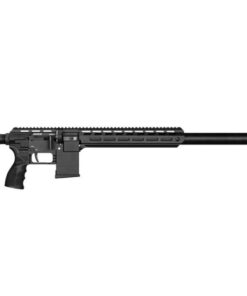
PCP Air Rifles
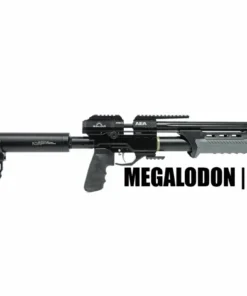
PCP Air Rifles
Uncategorized
FROM RPSOLUTIONS
Reviews
There are no reviews yet.