



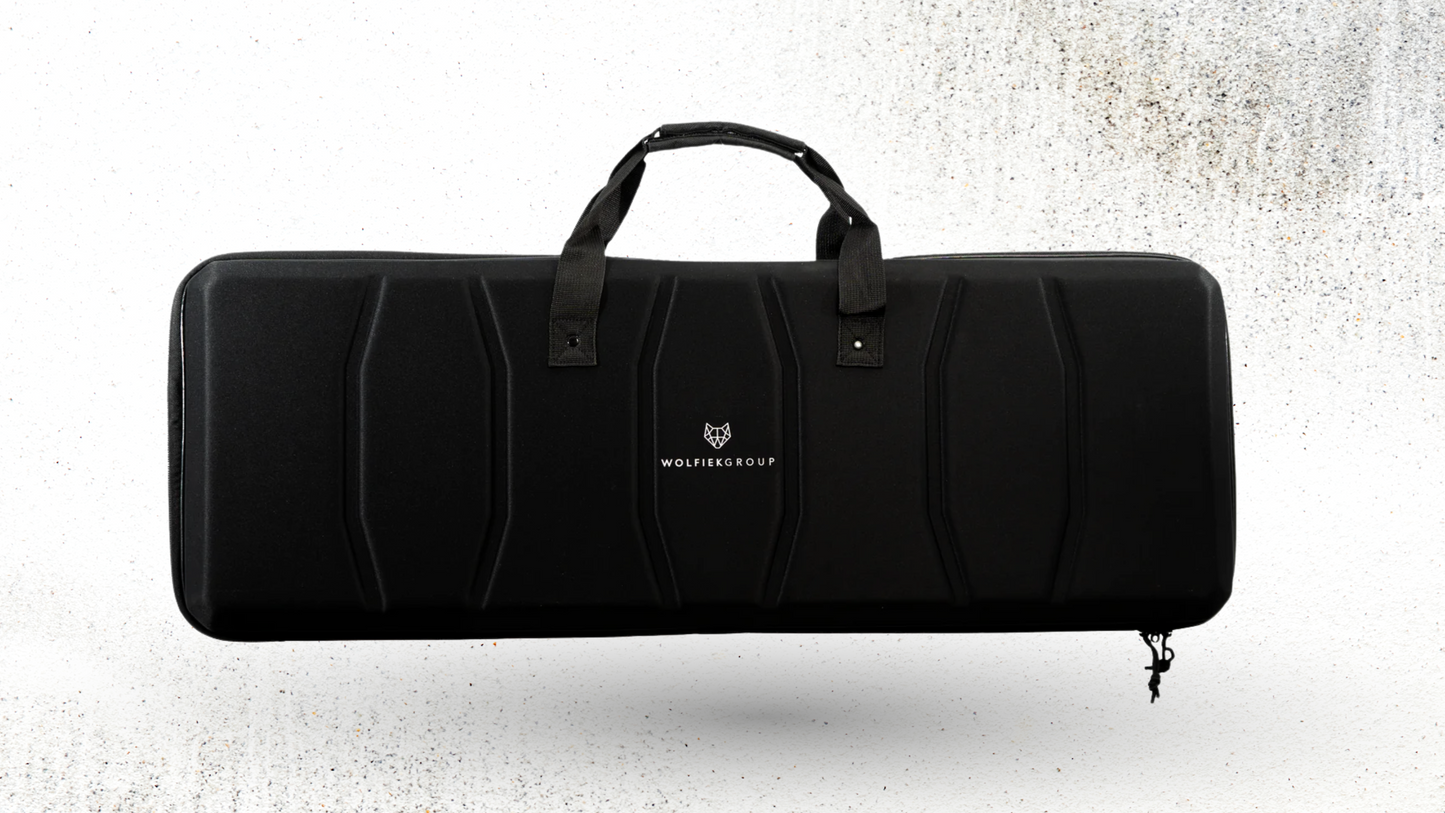
Wolfiek Group Airgun Case
€150.00
Tax included Shipping calculated at checkout.
Carry your airgun the way we do – with the Wolfiek Group case.
Technical Specifications
This semi-rigid case will protect your precious airguns with our very own style. Internal dimensions: 85cm x 30cm (33.4″ x 11.8″).
It is recommended to leave 1cm free on each side to keep the object protected.
Inside The Box
- Wolfiek Group Case
Discover the Ultimate Protection with the Wolfiek Group Airgun Case

The Wolfiek Group Airgun Case is designed to safeguard valued airguns while reflecting the brand’s commitment to precision and style. Carry your airgun the way dedicated enthusiasts do – with the Wolfiek Group Airgun Case. This semi-rigid solution is engineered so that precious equipment remains secure during transport, storage, and range sessions.
Protection is prioritized through a thoughtfully constructed design that balances rigidity and practicality. Internal dimensions of 85 cm x 30 cm (33.4″ x 11.8″) are provided, and it is recommended that 1 cm of free space be left on each side so that the object stays fully protected. As a result, compatibility with a wide range of popular airguns is achieved while room for careful packing is maintained.
Why the Wolfiek Group Airgun Case Stands Out for Everyday Use
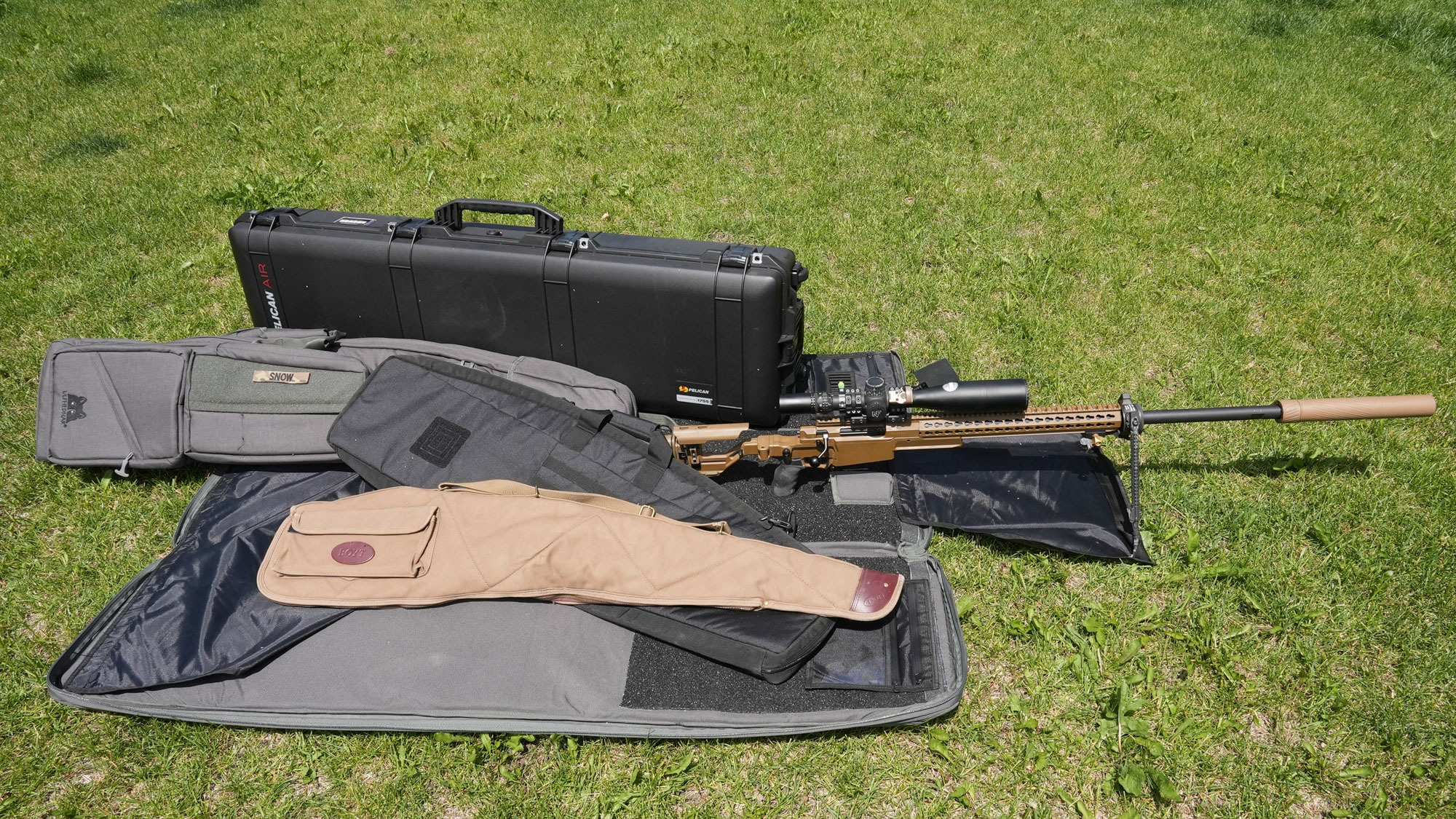
Everyday reliability is delivered by the Wolfiek Group Airgun Case. Moreover, the semi-rigid construction offers a practical middle ground between fully rigid hard cases and soft bags. Consequently, impacts are absorbed more effectively than with basic soft cases, while the overall weight remains manageable for frequent travel. Furthermore, the distinctive Wolfiek Group styling ensures that the case itself becomes part of a shooter’s identity rather than merely a functional container.
In addition, the case is intended for shooters of all experience levels who value both performance and presentation. Whether the focus is competitive precision, recreational plinking, or careful storage at home, the Wolfiek Group Airgun Case supports those needs. Therefore, investment in quality protection is made straightforward and accessible.
Key Features and Benefits Highlighted

The following product listings summarize the core advantages that are consistently appreciated:
- Semi-rigid construction – Enhanced structural support is provided so that airguns receive reliable impact resistance without excessive bulk.
- Precise internal dimensions – Space measuring 85 cm x 30 cm (33.4″ x 11.8″) is offered, allowing most common airgun platforms to be accommodated comfortably.
- Recommended clearance – A 1 cm buffer on each side is advised so that padding and movement control remain optimal.
- Brand-aligned styling – Distinctive Wolfiek Group aesthetics are incorporated, enabling the case to complement the rest of a shooter’s gear.
- Practical portability – Everyday transport and range trips are simplified through a balanced design that prioritizes ease of handling.
- Protection-focused purpose – Valuable airguns are kept secure during travel, storage, and handling, reducing the risk of unnecessary wear.
These elements work together so that the Wolfiek Group Airgun Case becomes more than storage – it becomes an extension of responsible equipment care.
How Protection and Style Are Combined
Durability and visual appeal are intentionally balanced within the Wolfiek Group Airgun Case. On one hand, the semi-rigid structure delivers meaningful protection against everyday bumps and shifts. On the other hand, the clean, purposeful design reflects the same attention to detail that defines Wolfiek Group products overall. As a result, owners can transport their airguns confidently while presenting a polished image at the range or club.
Transitioning from soft cases or generic hard cases often reveals limitations: soft options may lack structure, while some rigid cases prove cumbersome. In contrast, the Wolfiek Group Airgun Case occupies a practical middle position. Consequently, both convenience and security are improved without forcing unnecessary compromises. Moreover, the recommended internal clearance helps ensure that scopes, stocks, and accessories remain undisturbed during movement.
Suitability Across Different Shooting Contexts
Versatility is built into the Wolfiek Group Airgun Case so that it serves multiple scenarios effectively. For range sessions, the case facilitates organized arrival and departure. During travel, the semi-rigid form helps maintain equipment integrity. At home, it supports tidy, protective storage that keeps airguns ready for the next outing.
Furthermore, the dimensions accommodate a variety of popular platforms when the advised clearance is observed. Therefore, many shooters find that one well-chosen case meets their primary transport needs. Inclusive design considerations mean that the product is intended for the full community of airgun enthusiasts – from newcomers refining fundamentals to experienced competitors refining scores.
In addition, the case aligns with Wolfiek Group’s broader reputation as specialists who represent leading brands and understand the real-world demands of precision shooting. Experience accumulated over years of industry involvement informs product choices, so that practical protection remains central.
Practical Guidance for Optimal Use
Maximum benefit is obtained when the Wolfiek Group Airgun Case is used according to the recommended guidelines. Specifically, leaving approximately 1 cm of free space on each side helps maintain protective spacing. Proper packing further reduces internal movement, and regular inspection of the case ensures continued performance.
Moreover, pairing the case with complementary accessories – such as protective mats or organized gear systems – can enhance overall readiness. As a result, a complete transport and care system is created rather than a single isolated item. Transition words and careful planning help turn occasional use into a reliable habit that extends equipment life.
Conversion-Focused Value for Serious Shooters
Value is delivered through a combination of protection, style, and brand trust. The Wolfiek Group Airgun Case is offered so that shooters can invest in a solution that matches the quality of the airguns it protects. Pricing reflects the semi-rigid construction and purposeful design rather than unnecessary complexity. Consequently, the purchase decision becomes straightforward for those who prioritize long-term equipment care.
Engaging with the product means choosing a case that is actively used and appreciated rather than stored away. Informative details about dimensions and recommended clearance reduce uncertainty, while the conversion-focused presentation highlights real benefits: security during transport, reduced risk of damage, and a cohesive look that reflects commitment to the sport. Inclusive language ensures that every shooter feels addressed – regardless of background, experience level, or preferred discipline.
Furthermore, the case supports the broader Wolfiek Group ecosystem of carefully selected airguns and accessories. Therefore, it fits naturally into an existing collection or serves as a foundational upgrade for improved organization.
Long-Term Advantages of Choosing Quality Protection
Over time, consistent use of a purpose-built case such as the Wolfiek Group Airgun Case contributes to equipment longevity. Scratches, dents, and misalignment risks are minimized when airguns are properly contained. In addition, the semi-rigid nature helps maintain shape and usability across repeated trips.
Moreover, the visual identity associated with Wolfiek Group products reinforces a sense of belonging within a community that values precision and responsibility. Transitioning to better storage practices often leads to greater enjoyment of the sport itself, because less mental energy is spent worrying about gear condition.
As a result, the Wolfiek Group Airgun Case functions both as practical equipment and as a statement of care. Shooters who prioritize their airguns deserve protection that matches that priority. The design, dimensions, and recommended usage guidance are provided so that informed decisions can be made with confidence.
Final Considerations for Informed Selection
Selecting the right case involves matching dimensions, construction type, and intended use. The Wolfiek Group Airgun Case addresses these factors through its semi-rigid build, clearly stated internal measurements of 85 cm x 30 cm, and the practical recommendation of 1 cm clearance. Protection is emphasized without sacrificing everyday usability.
In summary, the product is positioned for shooters seeking reliable, stylish, and functional transport. Engaging presentation of features, informative technical details, and a conversion-oriented focus on real benefits work together so that the decision to acquire the Wolfiek Group Airgun Case feels both logical and appealing. Inclusive language ensures the message reaches the entire community of enthusiasts who share a passion for airguns.
Carry your airgun the way dedicated shooters do secure it with the Wolfiek Group Airgun Case and experience the difference that thoughtful design delivers.
Calibres, FAC Ratings, Power Levels and Accessories for the Wolfiek Pandora PRS
The Wolfiek Pandora PRS stands as a purpose-built high-performance PCP platform engineered for precision competition and long-range shooting. Available in multiple configurations, it delivers exceptional flexibility across calibres, power outputs and supporting accessories. This section explores the key options so that shooters can select the ideal setup while remaining fully aware of legal requirements such as UK FAC rules.
Available Calibres
The Pandora PRS is offered in six calibres to cover everything from target work to extreme long-range applications: .177 (4.5 mm), .22 (5.5 mm), .25 (6.35 mm), the proprietary 7 mm Wolfiek, .30 (7.62 mm) and .35 (9 mm).
The .177 and .22 options suit high-volume target and precision disciplines where trajectory flatness and shot count matter most. The .25 calibre provides a strong middle ground for both competition and field use. The 7 mm Wolfiek calibre, developed specifically by Wolfiek Group, sits between traditional .25 and .30 sizes. It was created to optimise ballistic coefficient and retained energy for ultra-long-range work, offering a distinct performance profile that many shooters find superior for distances beyond 100 metres. Larger .30 and .35 calibres deliver maximum energy for specialised applications where power is the priority.
Magazine capacities vary by calibre: 17 rounds for .177, 15 for .22, 13 for .25, 12 for 7 mm Wolfiek, 11 for .30 and 10 for .35. Barrel length choices of 460 mm (compact) or 710 mm (long) further tailor the rifle to the chosen calibre and intended use.
FAC Requirements and Legal Power Limits
In the United Kingdom, any air rifle producing more than 12 foot-pounds (approximately 16.3 joules) of muzzle energy is classified as a Section 1 firearm and requires a Firearms Certificate (FAC). Sub-12 ft-lb rifles can be owned without a licence (subject to age and other restrictions), but once a rifle is capable of exceeding that threshold it remains an FAC firearm even if later tuned down.
The Pandora PRS is designed with an extremely wide power range. It can be set as low as 6 ft-lbs (7.5 joules) for legal-limit use in restricted jurisdictions, yet it is capable of far higher outputs. Owners in the UK who wish to run the rifle above 12 ft-lbs must hold a valid FAC that specifically lists the rifle, calibre and maximum power. Similar licensing rules apply in other countries, so local regulations should always be checked before purchase or modification. Responsible ownership includes regular chronograph testing to confirm the rifle remains within the authorised power band.
Power Performance Across Calibres
The Pandora PRS operates at up to 500 bar (7,250 psi) maximum fill pressure — among the highest of any production PCP — with an externally adjustable regulator spanning 100–310 bar. Air capacity reaches 840 cc and the plenum can be expanded to approximately 210 cc. These features enable outstanding shot-to-shot consistency and high energy delivery.
Under ideal test conditions (310 bar plenum pressure and the longer barrel), approximate maximum muzzle energies are:
- .177 – up to 94 ft-lbs
- .22 – up to 137 ft-lbs
- .25 – up to 201 ft-lbs
- 7 mm Wolfiek – up to 275 ft-lbs
- .30 – up to 301 ft-lbs
- .35 – up to 401 ft-lbs
These figures represent peak laboratory results. Real-world output depends on pellet or slug weight, regulator setting, barrel length and ambient conditions. The rifle’s modular design allows power to be tuned across a very wide window, making the same platform suitable for both low-power precision work and high-energy long-range disciplines. Shot counts remain competitive even at elevated power levels thanks to the large air reservoir and efficient valve system.
Recommended Accessories
A complete Pandora PRS system benefits from carefully chosen supporting equipment. High-quality optics are essential; the 30 MOA Picatinny rail readily accepts precision scopes suited to long-range competition. Bipods and rests improve stability for benchrest or PRS-style stages, while AR-style grips and adjustable stocks enhance ergonomics.
Dedicated magazines for each calibre ensure reliable feeding, and Wolfiek’s own 7 mm ammunition range (match diabolo pellets and specialised slugs in weights from 36 gr to 117.6 gr) is optimised for the new calibre. A high-pressure air source is mandatory either a 500-bar-capable compressor or a large carbon-fibre bottle with appropriate fill adapters. Chronographs allow continuous monitoring of velocity and energy, which is particularly important for FAC holders.
Protective transport is equally critical. The Wolfiek Group Airgun Case, with its semi-rigid construction and internal dimensions of 85 cm × 30 cm, provides a practical solution for safeguarding the rifle and mounted optics during travel. Additional items such as working mats, cleaning kits, O-ring lubricants and modular rail accessories further complete a competition-ready setup.
Together, the available calibres, adjustable power envelope, clear FAC considerations and wide accessory ecosystem make the Wolfiek Pandora PRS a highly adaptable platform. Shooters can configure it for legal-limit target use or full FAC long-range performance while relying on purpose-matched components that maintain accuracy, consistency and safety.
Frequently Asked Questions
What makes the Wolfiek Group Airgun Case suitable for protecting valuable airguns? The Wolfiek Group Airgun Case is built as a semi-rigid solution that balances structure and practicality. Its design shields airguns from everyday bumps, scrapes and shifts during transport or storage. Internal dimensions of 85 cm by 30 cm provide ample room for many popular platforms when the recommended 1 cm clearance is observed on each side. This spacing helps keep the rifle and any mounted optics secure without excessive pressure. The case reflects the brand’s focus on combining functional protection with distinctive styling, so equipment arrives ready for use while maintaining a professional appearance at the range or club.
Which airguns and calibres fit comfortably inside the case? Most modern PCP rifles in common calibres such as .177, .22, .25, 7 mm, .30 and .35 can be accommodated when overall length and width stay within the internal measurements. Compact and standard-length configurations work especially well. Longer competition barrels may still fit if the recommended free space is maintained and accessories are packed carefully. The semi-rigid form supports a wide range of platforms used for target shooting, precision competition and field applications, giving owners flexibility without needing multiple specialised cases.
How does the case handle high-power or FAC-rated air rifles? High-power air rifles that exceed standard legal limits in certain regions require secure transport just like any precision equipment. The semi-rigid construction offers meaningful impact resistance while remaining lighter and more manageable than full hard cases.
Owners of FAC-rated rifles, which in the United Kingdom produce more than 12 foot-pounds of muzzle energy and therefore need a Firearms Certificate, benefit from the same protective qualities. The case helps keep the rifle, optics and related components organised and protected during travel to ranges or clubs where higher-power setups are permitted. Always confirm local regulations regarding transport and storage of licensed firearms.
What power levels can typical rifles carried in this case achieve? Power output varies widely depending on the specific rifle, calibre, regulator settings and ammunition. Many modern PCPs can be tuned from low legal-limit figures around 6–12 foot-pounds up to several hundred foot-pounds in FAC configurations. Larger calibres naturally deliver higher energy when the platform is designed for it, while smaller calibres prioritise flatter trajectories and higher shot counts.
The case itself does not influence power; it simply provides a reliable means of transporting whatever configuration the shooter has selected. Regular chronograph checks remain essential to confirm the rifle stays within authorised limits.
What accessories work well alongside the case? A complete setup often includes quality optics mounted on Picatinny rails, bipods or rests for stability, spare magazines matched to the calibre, and specialised ammunition such as match pellets or high-ballistic-coefficient slugs.
High-pressure fill equipment, including compressors or carbon-fibre bottles capable of the required pressures, is also common. Protective mats, cleaning kits, lubricants and modular rail accessories further enhance readiness. The case’s internal space allows careful packing of smaller items alongside the rifle, keeping everything organised in one place for range days or travel.
Is the case appropriate for both competition and recreational use? Yes. Competitive shooters who attend PRS-style matches, benchrest events or ultra-long-range sessions appreciate the combination of protection and portability. Recreational shooters and those focused on pest control or informal target practice likewise benefit from secure transport that reduces the risk of damage to stocks, barrels and optics. The semi-rigid design suits frequent short trips as well as longer journeys, making it a versatile choice across different levels of involvement in the sport.
How should the recommended internal clearance be used? Leaving approximately 1 cm of free space on each side helps prevent the contents from pressing against the walls of the case. This buffer reduces the chance of pressure points on scopes, stocks or other components during movement. Soft padding or custom inserts can be added if desired, provided the overall dimensions still allow the clearance. Proper packing technique ensures the rifle remains stable without being forced into a tight fit.
What care and maintenance does the case require? Routine inspection of zippers, seams and any rigid elements helps maintain long-term performance. The exterior can be wiped clean with a damp cloth after exposure to dust or moisture. Avoid prolonged storage in extremely humid or wet conditions. When not in use, keep the case in a dry environment away from direct sunlight. These simple steps preserve both the protective qualities and the appearance of the product.
Can the case be used for air travel or long-distance shipping? The semi-rigid construction offers good protection for road or rail travel and for transport to local ranges. For air travel, many airlines prefer fully rigid, lockable hard cases that meet specific security standards. Owners planning to fly with high-value equipment should verify current airline and regulatory requirements in advance. For ground shipping or courier services, the case provides a practical layer of protection when combined with appropriate outer packaging.
How does the design support different shooting disciplines? Precision disciplines benefit from the secure containment of rifles fitted with high-magnification optics and stabilising accessories. Field-oriented users appreciate the manageable weight and straightforward packing process. The case’s styling also aligns with the aesthetic preferences of many dedicated shooters who value equipment that looks as purposeful as it performs. Because the internal dimensions suit a broad range of modern platforms, one case can often serve multiple rifles within a collection.
What should be considered when pairing the case with high-capacity air systems? Rifles that operate at elevated fill pressures or feature large air reservoirs and plenums still fit the same dimensional guidelines. The case protects the mechanical components and any attached fill adapters or gauges during movement. Shooters using advanced regulator systems or modular configurations simply need to ensure all attached parts remain within the recommended clearance. This approach keeps the entire setup organised and ready for consistent performance once at the range.
Are there specific recommendations for packing optics and accessories? Optics should be secured so they cannot shift against hard surfaces. Soft wraps or dedicated scope covers help, and smaller accessories can be placed in pouches or compartments if available. Magazines, pellets or slugs, and tools are best kept in separate organisers to avoid contact with the rifle’s finish. Taking a few extra moments to arrange items carefully maximises the protective benefit of the semi-rigid structure.
How does ownership of higher-power equipment affect case selection? Owners of FAC-rated or high-energy platforms typically invest in optics, stocks and other components that also deserve protection. A well-designed semi-rigid case reduces the risk of cosmetic or functional damage during regular transport. It supports responsible ownership by making it easier to move equipment securely between home, range and competition venues while complying with any local transport rules that apply to licensed firearms.
What long-term benefits does consistent use of a quality case provide? Regular use helps maintain the condition of stocks, barrels, triggers and optics by limiting exposure to impacts and environmental factors. Over time this contributes to more consistent accuracy and reliability. The case also encourages organised habits that make range sessions more efficient. For shooters who value both performance and the appearance of their equipment, the combination of practical protection and purposeful design delivers lasting value.
Where can additional support or information be obtained? Product details, dimension guidance and compatibility advice are available through official channels. Local regulations regarding power limits, licensing and transport should always be confirmed with the relevant authorities. Combining the case with appropriate accessories and responsible practices ensures airguns remain protected and ready for whatever discipline the owner pursues.
This collection of answers addresses the most common practical questions surrounding protection, compatibility, power considerations, legal aspects and supporting equipment. The guidance supports informed decisions that prioritise both equipment care and enjoyable, responsible shooting.
A Day at the Range with Precision Equipment
Early morning light filtered through the garage windows as the shooter prepared for a full day of practice. The competition schedule demanded consistency, so every piece of equipment received careful attention before departure. The semi-rigid protective case waited on the workbench, its interior ready to receive the long-range platform that would be used throughout the session.
The rifle itself was a high-capacity PCP configured for precision work. On this particular day the chosen calibre was the specialised mid-size option designed for extended distances, though the same platform could be set up in smaller or larger bore sizes depending on the stage requirements. A heavier projectile offering strong ballistic performance had already been selected, and several magazines were loaded and ready.
The regulator had been adjusted the previous evening to deliver the energy level authorised on the owner’s certificate. In regions where muzzle energy above the standard unlicensed threshold requires formal documentation, that certificate remained valid and up to date, listing the specific rifle, calibre and maximum permitted output. A quick chronograph check confirmed the velocity remained safely within the approved band.
Optics were already mounted on the elevated rail. The high-magnification scope had been zeroed at the previous session and only needed a final confirmation once at the range. A bipod was attached for supported positions, and a rear bag completed the stabilisation setup. Spare magazines matched to the calibre sat in a small organiser pouch, alongside a tin of specialised projectiles and a basic cleaning kit. A compact chronograph would travel as well, allowing ongoing verification of performance under changing temperature conditions.
Packing began with the recommended clearance in mind. The rifle was placed carefully so that roughly one centimetre of free space remained on each side. Soft wraps protected the optic and stock from direct contact with the case walls. Magazines and smaller accessories fitted neatly into the remaining space without crowding the main platform. The semi-rigid structure held its shape while still allowing the overall package to remain manageable for loading into the vehicle. Once closed, the case provided a secure, organised unit that could be carried without awkward shifting of contents.
The drive to the range took just under an hour. Traffic was light, and the case rested securely on the rear seat, prevented from sliding by a simple cargo strap. Upon arrival the shooter carried the case to the designated preparation area. Opening it revealed everything exactly as packed: the rifle undisturbed, the optic still aligned, and the accessories ready for immediate use. A quick visual inspection confirmed no movement had occurred during transit.
The first hour was devoted to confirmation shots. A stable rest was set up, and a series of groups were fired at known distances. The chosen calibre performed as expected, delivering consistent velocities and predictable trajectories. Because the platform could be tuned across a wide power range, the energy level used that morning sat comfortably above the unlicensed limit yet remained within the certificate’s authorised maximum. This flexibility allowed the same rifle to serve both practice sessions at moderate output and full competition strings at higher settings when required.
Between strings the case remained open nearby, serving as a convenient station for magazines, projectiles and tools. The semi-rigid design meant it stood upright without collapsing, keeping the workspace tidy. When a magazine change was needed, the spare units were immediately accessible. A brief chronograph reading between stages confirmed that temperature changes had not pushed the velocity outside the expected window. Such checks are routine for anyone operating under formal documentation that specifies maximum energy.
Mid-morning brought a change of scenario. The next practice block simulated a field-style course requiring movement between positions. The rifle was returned to the case for the short walk between stages, protecting the optic from accidental contact with vegetation or range furniture. The manageable weight and balanced shape made these short transfers straightforward. Once at the new position the case was opened again, the bipod deployed, and shooting resumed without delay.
Lunch provided an opportunity to review data. Group sizes, velocity spreads and environmental notes were recorded. The platform’s large air capacity had delivered more than enough shots for the morning’s work, and the fill system waiting in the vehicle would top it up during the break. Accessories such as the rear bag and additional magazines remained organised inside the case, ready for the afternoon session.
The afternoon focused on longer distances. Heavier projectiles in the same calibre were used to explore retained energy and wind drift. The elevated rail and solid mounting kept the optic stable, while the bipod and bag combination allowed precise adjustments. Occasional reference to the certificate ensured that every string stayed within legal parameters. In jurisdictions where energy above a defined threshold classifies the rifle as a controlled firearm, these checks form part of responsible ownership.
As the light began to soften, the final strings of the day were completed. Equipment was packed in reverse order of use. The optic received a protective cover, the bipod was folded, and the rifle was returned to the case with the same attention to clearance that had been applied that morning. Magazines were unloaded or secured according to range rules, and the chronograph was stowed. The semi-rigid case closed cleanly, presenting a compact, professional package for the journey home.
On the return drive the case again rested securely. The day’s data suggested small adjustments for the next outing, but the equipment itself had performed without issue. Upon arrival home the case was opened in the workshop. A brief wipe-down of the exterior removed dust, and the interior was left slightly open overnight to equalise temperature and humidity. The rifle was placed on a rack for a more detailed inspection the following day, while the case itself was stored in a dry corner of the garage, ready for the next session.
This pattern of use repeated across subsequent weeks. Sometimes the same platform was configured in a smaller calibre for high-volume target work, producing flatter trajectories and higher shot counts at moderate energy. On other days a larger bore was fitted for maximising energy on longer courses. In each instance the case accommodated the chosen setup when overall dimensions were respected. Accessories changed accordingly—different magazines, projectile weights and occasionally a secondary optic—yet the packing process remained consistent.
Competition weekends followed a similar routine, only with greater emphasis on redundancy. Extra magazines, a second chronograph battery and a more comprehensive cleaning kit travelled inside the case. The semi-rigid construction continued to protect the rifle during longer journeys and overnight stays. At the venue the case served both as transport container and temporary gear station, keeping the working area organised between stages.
Throughout these practical scenarios the importance of matching equipment to legal requirements remained constant. Where formal documentation is required for energy levels above the unlicensed threshold, the certificate stayed current and the rifle’s output was verified regularly. The case itself imposed no limitations on power; it simply provided reliable protection regardless of the configuration chosen.
Over time the combination of careful packing, appropriate accessories and consistent verification produced measurable benefits. Optics stayed zeroed longer, stocks and barrels avoided unnecessary contact damage, and range sessions became more efficient because everything needed was immediately accessible. The semi-rigid case supported this workflow without adding bulk or complexity, proving itself a practical partner for both routine practice and more demanding competitive use.
Whether the day involved moderate-energy precision work or higher-output strings under formal authorisation, the sequence remained the same: deliberate preparation, secure transport, organised deployment at the range, and careful return to storage. The result was equipment that arrived ready, performed reliably, and returned home in the same condition it left. That reliability allowed the shooter to focus on technique, data and improvement rather than on concerns about damage or disorganisation.
In this way a single well-chosen protective solution supported a wide range of practical shooting activities. Different calibres, varying energy levels, specialised projectiles and supporting accessories all found a place within the same structured approach. The outcome was greater consistency across sessions and greater confidence that the investment in high-performance equipment was being properly safeguarded.
Why This Platform Delivers Superior Performance for Serious Shooters
Choosing the right air rifle platform shapes every aspect of the shooting experience, from consistency on the range to confidence in the field. A well-engineered system that combines advanced pressure capability, modular calibres, adjustable power and practical support equipment stands apart from conventional options. The reasons for selecting such a platform become clear when examining real-world demands of precision competition, long-range practice and responsible high-energy use.
One of the strongest advantages lies in the operating pressure architecture. Platforms capable of handling elevated fill pressures unlock greater shot-to-shot consistency and efficiency. When the system supports pressures significantly higher than traditional designs, the regulator can maintain stable output across a longer string of shots.
This stability reduces velocity variation, which directly improves group sizes and point-of-impact predictability. Shooters who spend hours refining technique benefit immediately because fewer variables interfere with the feedback loop between trigger press and target result. The same high-pressure capability also supports larger air reservoirs, delivering more usable shots per fill and minimising interruptions during extended practice or match stages.
Flexibility across calibres further strengthens the case. A single platform that accepts multiple bore sizes allows the shooter to match the projectile to the specific task without changing the entire rifle. Smaller options excel at high-volume target work where flat trajectory and rapid follow-up shots matter most. Mid-size specialised calibres optimised for ballistic coefficient extend effective range while retaining manageable recoil and magazine capacity.
Larger options maximise energy for specialised applications where retained power at distance is the priority. This modularity means one investment serves multiple disciplines rather than requiring separate rifles for different scenarios. Magazine capacities scale appropriately with each calibre, maintaining practical shot counts whether the focus is precision strings or longer field courses.
Power adjustability adds another layer of practical value. The ability to tune output from very low levels suitable for restricted environments up to substantial energy figures authorised under formal documentation gives the owner genuine versatility. In jurisdictions where energy above a defined threshold requires a Firearms Certificate, the platform can be configured to remain fully compliant while still offering the higher performance the certificate permits.
Regular verification with a chronograph keeps the system inside authorised limits, supporting responsible ownership. This range of adjustment also allows the same rifle to be used for quiet practice sessions at moderate output and full-power competition strings when conditions and regulations allow. The result is a tool that adapts to the shooter rather than forcing the shooter to adapt to fixed limitations.
Supporting accessories complete the system and amplify its advantages. A semi-rigid protective case designed with appropriate internal dimensions provides secure transport for the rifle and mounted optics. Maintaining recommended clearance during packing protects scopes, stocks and barrels from unnecessary contact during travel. At the range the same case functions as an organised gear station, keeping magazines, projectiles and tools immediately accessible between stages.
Additional items such as quality bipods, rear bags, dedicated magazines matched to each calibre, and specialised ammunition further refine performance. High-pressure fill equipment ensures the large air capacity can be replenished efficiently, while a reliable chronograph supports ongoing monitoring of velocity and energy. Together these elements create a cohesive workflow that reduces friction and increases productive range time.
Consistency under varying conditions is another decisive factor. Elevated operating pressure combined with a substantial plenum and externally adjustable regulator helps maintain stable performance as temperature and altitude change. Shooters who travel to different venues or compete across seasons notice fewer shifts in point of impact.
The modular design also simplifies maintenance and upgrades. Components can be adjusted or replaced without discarding the entire platform, extending the useful life of the investment and allowing the system to evolve with the shooter’s developing needs.
Practical ownership considerations reinforce the technical strengths. Transport becomes more reliable when the rifle travels inside a purpose-matched protective case that balances structure with manageable weight. Packing follows a simple, repeatable process that respects internal dimensions and clearance recommendations, reducing the risk of damage to expensive optics or finely finished stocks.
At the range the organised layout of accessories shortens transition times between stages. After the session the same case returns the equipment home in the same condition it left, supporting long-term reliability and preserving accuracy.
For those operating under formal documentation, the platform’s transparent power range simplifies compliance. Clear maximum and minimum outputs, combined with straightforward adjustment and verification methods, make it easier to stay within authorised parameters. This clarity reduces administrative uncertainty and allows the shooter to focus on technique and results rather than constant concern over legal thresholds.
The cumulative effect of these features is greater confidence and more productive practice. Velocity spreads tighten, trajectories become more predictable, and equipment arrives ready for use. Time previously spent troubleshooting inconsistencies or managing multiple specialised rifles can instead be devoted to refining skills. Whether the day’s goal is refining groups at moderate energy, exploring extended distances with optimised projectiles, or preparing for competition under higher authorised outputs, the platform adapts without compromise.
Long-term value emerges from the same combination of engineering and practicality. A system that supports multiple calibres, a wide power envelope and reliable protection reduces the need for frequent replacements or additional purchases. Accessories integrate cleanly, and the protective case extends the service life of the core equipment. Shooters who invest in such a complete approach typically experience fewer interruptions and more consistent results across seasons of use.
In short, the decision rests on measurable advantages: superior pressure architecture for consistency, modular calibres for versatility, adjustable power for legal and practical flexibility, and supporting equipment that protects and organises every element of the setup.
These reasons combine to create a more capable, more adaptable and more reliable tool for anyone serious about precision air rifle shooting. The outcome is not simply higher numbers on a chronograph, but improved performance where it matters most on the target.
Discover the Power and Precision of AEA Airguns
AEA Airguns has established itself as a leading name in high-performance pre-charged pneumatic platforms, delivering exceptional energy, reliability, and value across a wide range of models. From compact carbines to extreme big-bore systems, the lineup serves hunters, recreational shooters, and those seeking maximum impact in larger calibers. Whether exploring the AEA Zeus, AEA Megalodon, AEA Terminator, AEA Defender, AEA Element, or AEA Challenger series, enthusiasts find platforms engineered for real-world power and practical field use.
Exploring the Flagship Big-Bore Options
The AEA Zeus stands among the most powerful production PCP air rifles available. Configurations such as the AEA Zeus MK2 and AEA Zeus tactical deliver impressive muzzle energy, with the .72 caliber versions capable of reaching extreme outputs suitable for specialized applications. Models including the Zeus MK2 .72 cal air rifle and AEA Zeus in 72 caliber offer side-lever operation, robust air capacity, and Picatinny rails for optics. Variants like the AEA Zeus 72 cal and .72 cal Zeus air rifle provide options in different barrel lengths, allowing shooters to balance power, weight, and handling. Higher-caliber explorations such as the AEA Zeus 95 cal further expand possibilities for those seeking the ultimate in projectile mass and energy transfer.
Complementing the Zeus family, the AEA Megalodon introduces innovative pump-action operation in a big-bore format. Available in configurations including the AEA Megalodon 50 cal, AEA Megalodon 45 cal, AEA Megalodon 357, and AEA Megalodon air rifle, this platform supports rapid follow-up capability while maintaining substantial energy. The AEA HP Megalodon and related versions emphasize portability and magazine capacity, making them practical for dynamic hunting scenarios. Those searching for an AEA Megalodon for sale or reviewing AEA Megalodon 50 cal price will find a system designed around high-volume shooting with larger projectiles.
Versatile Mid- and High-Power Platforms
The AEA Terminator and AEA Terminator Gen 3 deliver proven performance in multiple calibers, earning recognition as a reliable terminator air rifle for both precision and power. Parallel offerings such as the AEA Defender, AEA Defender 3, and AEA Defender airgun provide compact yet capable options, frequently sought after by those looking for an AEA Defender 3 for sale or AEA Defender for sale. These models balance energy output with manageable size, supporting a variety of hunting and range applications.
The AEA Element and AEA Element Max series, including the AEA Element Max 457 and AEA Element Max for sale, focus on lightweight construction and strong energy delivery in larger calibers. With upgradeable air systems and solid optics mounting, they suit shooters who prioritize portability without sacrificing impact. The AEA Challenger family—spanning the AEA Challenger Pro, AEA Challenger Elite, AEA Challenger Nova, and standard Challenger configurations—offers regulated performance, multiple barrel lengths, and calibers suited to both target work and field use. Options like the Challenger Pro LB extend effective range while maintaining consistency.
Compact and tactical choices further broaden the range. The AEA HP Max and AEA HP Carbine deliver high energy in a folding or shortened format, available across calibers from .30 upward. Semi-automatic and select-fire platforms such as the AEA SF Compact, AEA SF Standard, and related Sonic models provide rapid engagement capability for those who value speed alongside power. The AEA Harpoon series, including the AEA Harpoon air gun, AEA Harpoon Magnum, AEA Harpoon 12 gauge, and AEA Harpoon shotgun configurations, introduces unique smoothbore and specialized projectile options for distinct shooting experiences. Models like the AEA Harpoon gun for sale and AEA Harpoon price inquiries reflect growing interest in these distinctive designs.
Supporting Equipment and Ammunition
AEA Airguns extends beyond the rifles themselves. Dedicated AEA pellets, AEA long range master slugs, and specialized projectiles optimize performance across calibers. Accessories such as AEA air compressors support efficient filling of high-pressure systems, while compatible magazines, fill probes, and optics rails complete ready-to-use setups. The brand’s consistent engineering approach ensures parts and accessories integrate smoothly across the product family.
Why Shooters Choose AEA Platforms
Power remains a defining characteristic. From moderate-energy configurations suitable for regulated environments to extreme outputs exceeding 1000 foot-pounds in the largest Zeus and Megalodon variants, the lineup covers an unusually broad performance spectrum. Build quality emphasizes durability under repeated high-pressure cycles, while modular elements—such as removable tanks, adjustable regulators on select models, and interchangeable barrels—allow customization. Pricing positions many models as accessible entry points into serious big-bore performance compared with premium alternatives, making platforms like the AEA Zeus price, AEA Zeus MK2 price, and related options attractive for dedicated users.
Practical field handling receives equal attention. Bullpup layouts on certain Zeus and Challenger models improve balance and reduce overall length. Pump-action designs on the Megalodon enable faster follow-ups. Folding stocks on HP Max and similar carbines enhance transportability. Together these features support both stationary precision work and more mobile hunting styles.
Selecting the Right Model
Choosing among AEA airguns depends on intended use. Extreme energy and large-caliber impact favor the AEA Zeus MK2, AEA Zeus tactical, or AEA Megalodon in .50 or .58. Versatile hunting and range performance suit the AEA Terminator, AEA Defender 3, AEA Element Max, or AEA Challenger Pro. Compact or rapid-fire needs point toward the AEA HP Max, AEA SF Compact, or Sonic platforms. Specialized smoothbore or unique projectile applications align with the AEA Harpoon series.
Across the range, consistent fill pressures around 4500 PSI, robust construction, and available optics mounting create a coherent ecosystem. Whether the focus is a 72 cal air rifle, 50 cal air rifle, double barrel air gun concepts, or more conventional .22 and mid-caliber setups, AEA Airguns provides corresponding solutions. Enthusiasts searching terms such as aea airgun, aea pcp, aea guns, aea 22, or specific model names will find platforms engineered to deliver measurable power and practical reliability.
The combination of extreme capability in flagship models, accessible mid-range options, and supporting ammunition and accessories positions AEA as a comprehensive choice for shooters seeking high-energy PCP performance. From the iconic AEA Zeus in .72 caliber to the innovative AEA Megalodon pump-action design and the versatile Challenger, Element, Terminator, and Defender families, the brand continues to expand the boundaries of what modern airguns can achieve.
Be the first to review “Wolfiek Group Airgun Case”
Related products
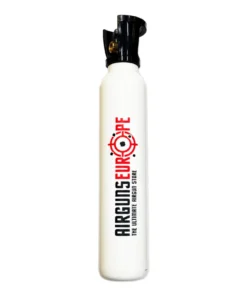
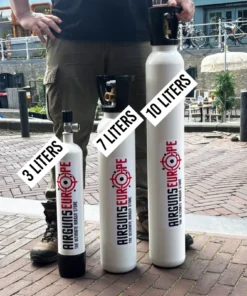
FROM AIRGUNS Depot
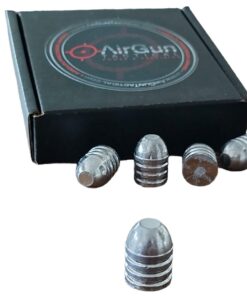
Airgun Ammunition
Air Rifles

Air Guns
PCP Air Rifle (Pre-Charged Pneumatic)
PCP Air Rifles
Reviews
There are no reviews yet.